Efficient Bulk Waste Collection Services in London
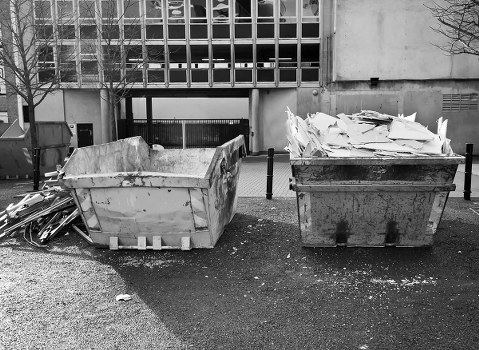
The image shows two large industrial skip bins positioned side by side on a paved surface in front of a modern building in an urban setting. The left skip contains broken pieces of concrete and construction debris with rough, jagged edges and a weathered, slightly stained surface, while the right skip is filled with crumpled, flattened paper or cardboard materials, appearing lighter in texture and color. Both skips are made of coated metal with visible rust and dirt, indicative of frequent use for waste collection in the area. The surrounding environment includes a few small, leafless trees on the left and right edges, suggesting late autumn or winter, and a metal safety barrier or barrier post near the right side of the image. The background features the building facade with glass panels and structural concrete details, typical of contemporary London architecture. The overall scene is evenly lit with diffuse natural light, emphasizing the utilitarian function of these waste containers in supporting rubbish removal services such as those provided by Garbage London, servicing the local area near the inferred postcode in London.

Understanding Bulk Waste Collection

Bulk waste collection is a critical service that ensures the efficient management of large waste items that regular garbage collection services cannot handle. In London, the increasing population and urban development have amplified the need for specialized waste collection solutions.

Bulk waste refers to items like large furniture, appliances, and construction debris that require separate handling. Effective bulk waste collection helps maintain the cleanliness and hygiene of the city, preventing environmental hazards and promoting sustainable living.

London's waste management system is designed to cater to both residential and commercial needs, addressing the diverse requirements of its inhabitants. Understanding how bulk waste collection works can help residents and businesses utilize these services more effectively.
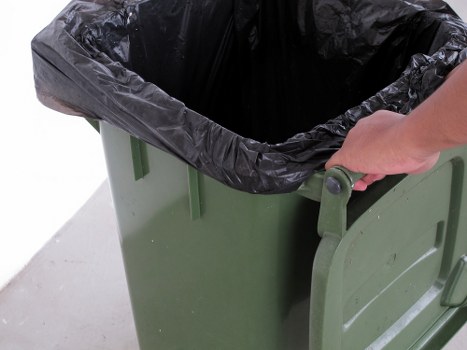
A close-up of a green wheeled rubbish bin positioned on a concrete surface, with its black plastic trash bag lining visible inside. The bin's lid is partially open, held by a person's hand gripping the handle on the right side. The bin appears to be made of durable plastic with a textured surface and a slightly glossy finish, typical of waste disposal containers used in residential or commercial settings. The background shows a plain white or light-colored area, possibly part of a building or driveway, suggesting an outdoor or semi-outdoor environment. The image emphasizes the practical aspects of rubbish collection, indicative of professional waste management services like those offered by Garbage London, and supports the context of bulk waste disposal in London, particularly within residential or small business premises during waste collection activities.

The Importance of Bulk Waste Collection

Proper bulk waste collection is essential for several reasons:

  • Environmental Protection: Efficient bulk waste management reduces landfill usage and promotes recycling and reuse of materials.
  • Public Health: Removing large waste items prevents potential health hazards associated with accumulated waste.
  • Aesthetic Maintenance: Keeping public areas free from bulky waste enhances the city's appearance and livability.

Moreover, bulk waste collection plays a pivotal role in supporting London’s sustainability goals by minimizing waste and encouraging responsible consumption patterns.

Residents and businesses alike benefit from organized waste disposal systems, which contribute to a cleaner and more sustainable urban environment.
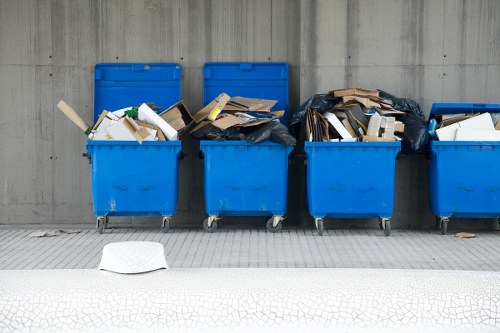
Four blue wheeled rubbish bins lined up on a paved surface against a concrete wall, with two of the bins filled with various types of waste including flattened cardboard boxes, paper, and miscellaneous packaging materials, some piled loosely over the tops of the bins. One black garbage bag is visible partially overflowing in the second bin from the right. A white plastic item, possibly a broken or discarded container, is on the ground in front of the bins, near the curb. The scene appears to be an outdoor waste collection area, typical of urban or suburban environments in London, demonstrating the collection of bulky waste and general rubbish suitable for a professional waste management service like Garbage London.

How Bulk Waste Collection Works in London

London’s bulk waste collection process is streamlined to accommodate the diverse needs of its population. Here’s how it typically works:

  1. Scheduling a Pickup: Residents and businesses can book a bulk waste collection through the local council or private waste management services.
  2. Preparation of Items: Items intended for collection should be prepared by removing any hazardous materials and ensuring they are easily accessible for pickup.
  3. Collection and Transport: Trained waste collectors gather the bulk items and transport them to designated recycling centers or disposal facilities.
  4. Recycling and Disposal: Appropriate recycling processes are employed to minimize environmental impact, ensuring materials are reused or disposed of responsibly.

This systematic approach ensures that bulk waste is managed efficiently, reducing the strain on the city’s waste infrastructure.
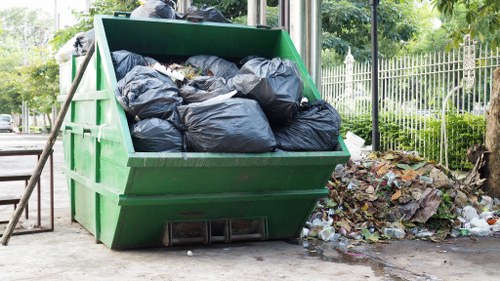
A large green skip bin filled with tightly packed black rubbish bags, situated on a paved surface next to a small pile of loose waste and debris. The skip is positioned outdoors in a public area with a metal fence, trees, and greenery visible in the background, indicating a park or residential environment. The skip's metallic surface shows some signs of wear and weathering, and the bags within appear to contain household waste or general refuse. The surrounding area is clean apart from the nearby discarded waste, reflecting typical rubbish removal scenarios in London, handled by a company like Garbage London. The scene is well-lit, suggesting daytime with natural light illuminating the scene, emphasizing the utilitarian aspect of waste collection and management services essential for maintaining cleanliness in urban areas.

Types of Bulk Waste Collected

Bulk waste collection in London covers a wide range of items, including:

  • Furniture: Sofas, tables, chairs, and other large household items.
  • Appliances: Refrigerators, washing machines, and other household appliances.
  • Construction Debris: Materials from renovation or construction projects, such as bricks, concrete, and wood.
  • Electronic Waste: Large electronic devices that require special handling due to hazardous components.

Understanding the types of bulk waste helps in preparing items for collection and ensures compliance with local disposal regulations.

A person’s arm is extended towards a blue outdoor rubbish bin, lifting a clear plastic water bottle with a black cap and slight label detail. The bin is situated on a paved sidewalk in an urban or suburban setting, surrounded by greenery including a large tree trunk on the left and well-maintained grass and bushes in the background. The scene is well-lit, suggesting daytime, and the bin is positioned on the edge of a path or driveway, indicative of a typical waste collection area in London. This image illustrates the process of disposing of plastic waste and aligns with rubbish collection services offered by Garbage London, which specialises in comprehensive waste management in urban environments like London. The details of the plastic bottle’s transparency, the textured surface of the blue bin, and the smooth paving stones are clearly visible, emphasizing proper disposal practices within the context of London’s waste collection efforts.

Benefits of Professional Bulk Waste Collection

Opting for professional bulk waste collection services in London offers numerous advantages:

  • Convenience: Scheduled pickups and efficient handling save time and effort for individuals and businesses.
  • Compliance: Professionals ensure that waste is disposed of according to local regulations, avoiding potential fines.
  • Environmental Responsibility: Expert services emphasize recycling and proper disposal, contributing to environmental sustainability.
  • Health and Safety: Proper handling of bulk waste reduces risks associated with manual disposal, such as injuries or exposure to hazardous materials.

These benefits highlight the importance of relying on specialized services to manage bulk waste effectively.

The image shows two large industrial skip bins positioned side by side on a paved surface in front of a modern building in an urban setting. The left skip contains broken pieces of concrete and construction debris with rough, jagged edges and a weathered, slightly stained surface, while the right skip is filled with crumpled, flattened paper or cardboard materials, appearing lighter in texture and color. Both skips are made of coated metal with visible rust and dirt, indicative of frequent use for waste collection in the area. The surrounding environment includes a few small, leafless trees on the left and right edges, suggesting late autumn or winter, and a metal safety barrier or barrier post near the right side of the image. The background features the building facade with glass panels and structural concrete details, typical of contemporary London architecture. The overall scene is evenly lit with diffuse natural light, emphasizing the utilitarian function of these waste containers in supporting rubbish removal services such as those provided by Garbage London, servicing the local area near the inferred postcode in London.

Choosing the Right Bulk Waste Collection Service

Selecting an appropriate bulk waste collection service in London involves considering several factors:

  • Service Range: Ensure the provider covers your area and can handle the specific types of waste you need to dispose of.
  • Reputation: Look for trusted companies with positive reviews and a history of reliable service.
  • Pricing: Compare rates to find a service that fits your budget without compromising on quality.
  • Environmental Practices: Opt for services that prioritize recycling and sustainable disposal methods.

By evaluating these aspects, you can choose a service that best meets your needs and supports environmental goals.

A close-up of a green wheeled rubbish bin positioned on a concrete surface, with its black plastic trash bag lining visible inside. The bin's lid is partially open, held by a person's hand gripping the handle on the right side. The bin appears to be made of durable plastic with a textured surface and a slightly glossy finish, typical of waste disposal containers used in residential or commercial settings. The background shows a plain white or light-colored area, possibly part of a building or driveway, suggesting an outdoor or semi-outdoor environment. The image emphasizes the practical aspects of rubbish collection, indicative of professional waste management services like those offered by Garbage London, and supports the context of bulk waste disposal in London, particularly within residential or small business premises during waste collection activities.

Cost of Bulk Waste Collection in London

The cost of bulk waste collection in London can vary based on several factors:

  • Type and Volume of Waste: Larger volumes or hazardous materials may incur higher fees.
  • Service Frequency: Regular collection services might offer discounts compared to one-time pickups.
  • Provider Rates: Different companies have varying pricing structures, so it’s important to compare options.
  • Additional Services: Services like recycling, sorting, or specialized handling may affect the overall cost.

Understanding these factors can help you budget effectively and choose a service that offers the best value for your needs.

Four blue wheeled rubbish bins lined up on a paved surface against a concrete wall, with two of the bins filled with various types of waste including flattened cardboard boxes, paper, and miscellaneous packaging materials, some piled loosely over the tops of the bins. One black garbage bag is visible partially overflowing in the second bin from the right. A white plastic item, possibly a broken or discarded container, is on the ground in front of the bins, near the curb. The scene appears to be an outdoor waste collection area, typical of urban or suburban environments in London, demonstrating the collection of bulky waste and general rubbish suitable for a professional waste management service like Garbage London.

Regulations Governing Bulk Waste Collection

Bulk waste collection in London is governed by a set of regulations designed to ensure safe and responsible disposal:

  1. Sorting Requirements: Certain materials must be separated for recycling or hazardous waste disposal.
  2. Permit Necessities: Some types of bulk waste may require specific permits for collection and transport.
  3. Disposal Guidelines: Regulations dictate the methods and facilities used for waste disposal to minimize environmental impact.

Adhering to these regulations is crucial for both service providers and clients to maintain compliance and promote sustainable waste management practices.

A large green skip bin filled with tightly packed black rubbish bags, situated on a paved surface next to a small pile of loose waste and debris. The skip is positioned outdoors in a public area with a metal fence, trees, and greenery visible in the background, indicating a park or residential environment. The skip's metallic surface shows some signs of wear and weathering, and the bags within appear to contain household waste or general refuse. The surrounding area is clean apart from the nearby discarded waste, reflecting typical rubbish removal scenarios in London, handled by a company like Garbage London. The scene is well-lit, suggesting daytime with natural light illuminating the scene, emphasizing the utilitarian aspect of waste collection and management services essential for maintaining cleanliness in urban areas.

Innovations in Bulk Waste Collection

London is embracing innovative approaches to bulk waste collection to enhance efficiency and sustainability:

  • Smart Collection Systems: Utilizing technology to optimize collection routes and schedules, reducing fuel consumption and operational costs.
  • Recycling Technologies: Advanced methods for sorting and processing bulk waste materials to maximize recycling rates.
  • Eco-Friendly Vehicles: Transitioning to electric or hybrid vehicles for waste collection to lower carbon emissions.

These innovations are transforming bulk waste collection, making it more efficient and environmentally friendly.

A person’s arm is extended towards a blue outdoor rubbish bin, lifting a clear plastic water bottle with a black cap and slight label detail. The bin is situated on a paved sidewalk in an urban or suburban setting, surrounded by greenery including a large tree trunk on the left and well-maintained grass and bushes in the background. The scene is well-lit, suggesting daytime, and the bin is positioned on the edge of a path or driveway, indicative of a typical waste collection area in London. This image illustrates the process of disposing of plastic waste and aligns with rubbish collection services offered by Garbage London, which specialises in comprehensive waste management in urban environments like London. The details of the plastic bottle’s transparency, the textured surface of the blue bin, and the smooth paving stones are clearly visible, emphasizing proper disposal practices within the context of London’s waste collection efforts.

Community Involvement in Waste Management

Community participation is vital for the success of bulk waste collection initiatives in London:

  • Awareness Campaigns: Educating residents about proper waste disposal practices and the benefits of bulk waste collection services.
  • Recycling Programs: Encouraging the community to engage in recycling efforts to reduce overall waste.
  • Feedback Mechanisms: Providing channels for residents to share their experiences and suggestions to improve services.

Active community involvement ensures that waste management strategies are effective and aligned with the needs of London’s residents.

The image shows two large industrial skip bins positioned side by side on a paved surface in front of a modern building in an urban setting. The left skip contains broken pieces of concrete and construction debris with rough, jagged edges and a weathered, slightly stained surface, while the right skip is filled with crumpled, flattened paper or cardboard materials, appearing lighter in texture and color. Both skips are made of coated metal with visible rust and dirt, indicative of frequent use for waste collection in the area. The surrounding environment includes a few small, leafless trees on the left and right edges, suggesting late autumn or winter, and a metal safety barrier or barrier post near the right side of the image. The background features the building facade with glass panels and structural concrete details, typical of contemporary London architecture. The overall scene is evenly lit with diffuse natural light, emphasizing the utilitarian function of these waste containers in supporting rubbish removal services such as those provided by Garbage London, servicing the local area near the inferred postcode in London.

Challenges in Bulk Waste Collection

Despite advances, bulk waste collection in London faces several challenges:

  • Logistical Constraints: Navigating narrow streets and high traffic can complicate collection efforts.
  • Resource Allocation: Ensuring sufficient resources and manpower to meet the growing demand for bulk waste collection.
  • Public Compliance: Encouraging consistent participation from residents and businesses to maintain efficient waste management.

Addressing these challenges requires coordinated efforts between service providers, the local government, and the community.

A close-up of a green wheeled rubbish bin positioned on a concrete surface, with its black plastic trash bag lining visible inside. The bin's lid is partially open, held by a person's hand gripping the handle on the right side. The bin appears to be made of durable plastic with a textured surface and a slightly glossy finish, typical of waste disposal containers used in residential or commercial settings. The background shows a plain white or light-colored area, possibly part of a building or driveway, suggesting an outdoor or semi-outdoor environment. The image emphasizes the practical aspects of rubbish collection, indicative of professional waste management services like those offered by Garbage London, and supports the context of bulk waste disposal in London, particularly within residential or small business premises during waste collection activities.

Future of Bulk Waste Collection in London

The future of bulk waste collection in London is poised for significant advancements:

  • Automation and AI: Implementing automated systems and artificial intelligence to predict waste generation patterns and optimize collection.
  • Circular Economy: Shifting towards a circular economy model where waste is minimized, and materials are continuously reused and recycled.
  • Enhanced Recycling Facilities: Expanding and upgrading recycling centers to handle a larger volume and variety of bulk waste materials.

These developments aim to create a more sustainable and efficient waste management system for London’s future.

Four blue wheeled rubbish bins lined up on a paved surface against a concrete wall, with two of the bins filled with various types of waste including flattened cardboard boxes, paper, and miscellaneous packaging materials, some piled loosely over the tops of the bins. One black garbage bag is visible partially overflowing in the second bin from the right. A white plastic item, possibly a broken or discarded container, is on the ground in front of the bins, near the curb. The scene appears to be an outdoor waste collection area, typical of urban or suburban environments in London, demonstrating the collection of bulky waste and general rubbish suitable for a professional waste management service like Garbage London.
How to Prepare for Bulk Waste Collection

To ensure a smooth bulk waste collection process, follow these preparation steps:

  • Identify Items: Clearly identify and categorize items that need to be collected.
  • Remove Hazards: Ensure that any hazardous materials are safely removed and handled separately.
  • Clear Access: Make sure that the bulk waste items are easily accessible for the collection team.
  • Schedule Appropriately: Book the collection service in advance to secure a convenient time slot.

Proper preparation facilitates efficient collection and minimizes delays or complications.

A large green skip bin filled with tightly packed black rubbish bags, situated on a paved surface next to a small pile of loose waste and debris. The skip is positioned outdoors in a public area with a metal fence, trees, and greenery visible in the background, indicating a park or residential environment. The skip's metallic surface shows some signs of wear and weathering, and the bags within appear to contain household waste or general refuse. The surrounding area is clean apart from the nearby discarded waste, reflecting typical rubbish removal scenarios in London, handled by a company like Garbage London. The scene is well-lit, suggesting daytime with natural light illuminating the scene, emphasizing the utilitarian aspect of waste collection and management services essential for maintaining cleanliness in urban areas.
Environmental Impact of Bulk Waste Collection

Bulk waste collection has a significant impact on the environment, both positive and negative:

  • Positive Impacts: Reduces landfill usage, promotes recycling, and decreases pollution by ensuring proper waste disposal.
  • Negative Impacts: Collection vehicles may contribute to carbon emissions, and improper handling can lead to environmental contamination.

Balancing these impacts requires sustainable practices and continuous improvement in waste management strategies.

A person’s arm is extended towards a blue outdoor rubbish bin, lifting a clear plastic water bottle with a black cap and slight label detail. The bin is situated on a paved sidewalk in an urban or suburban setting, surrounded by greenery including a large tree trunk on the left and well-maintained grass and bushes in the background. The scene is well-lit, suggesting daytime, and the bin is positioned on the edge of a path or driveway, indicative of a typical waste collection area in London. This image illustrates the process of disposing of plastic waste and aligns with rubbish collection services offered by Garbage London, which specialises in comprehensive waste management in urban environments like London. The details of the plastic bottle’s transparency, the textured surface of the blue bin, and the smooth paving stones are clearly visible, emphasizing proper disposal practices within the context of London’s waste collection efforts.

Final Thoughts on Bulk Waste Collection in London

Bulk waste collection is an indispensable component of London’s waste management system. By embracing efficient practices, innovative technologies, and community participation, the city can address the challenges of bulk waste disposal and work towards a more sustainable future.

Residents and businesses play a crucial role in this ecosystem by responsibly managing their waste and utilizing available collection services effectively.

For those seeking reliable bulk waste collection services, it’s essential to choose reputable providers committed to environmental stewardship and customer satisfaction.

Contact us today to learn more about our comprehensive bulk waste collection solutions tailored to meet your needs in London.

Frequently Asked Questions

Our bulk waste collection services utilize state-of-the-art machinery and eco-friendly methods to ensure efficient and safe removal of large items. From heavy-duty trucks to specialized tools, we handle all types of bulk waste with precision. With over 20 years of experience, our team ensures your waste is collected responsibly. Contact our team for a quick quote today!

Yes, we are accredited by leading industry bodies, demonstrating our commitment to high standards in bulk waste management. These accreditations assure our customers of our professionalism and adherence to best practices. Trust our experienced and certified team for your bulk waste needs. Reach out to us for reliable service!

Absolutely. We hold all necessary certifications and comprehensive insurance to guarantee legal compliance in bulk waste collection. This ensures your property is protected and waste is handled according to regulations. Our transparent and licensed services provide peace of mind. Contact us today to learn more!

We proudly achieve a high recycling rate, diverting up to 80% of collected bulk waste from landfills. Our environmentally responsible practices include sorting and processing materials to maximize recycling. Committed to sustainability, we continuously improve our methods. Partner with us for eco-friendly bulk waste solutions—get in touch now!

Our bulk waste collection team boasts over two decades of industry experience, ensuring efficient and professional service. Trained in the latest techniques, our experts handle all waste types safely and effectively. Trust our seasoned team for reliable bulk waste removal. Schedule your collection with us today!

Yes, we offer affordable bulk waste collection services with transparent pricing, ensuring no hidden fees. Our competitive rates are designed to provide excellent value without compromising quality. We provide detailed quotes upfront, so you know exactly what to expect. Contact us for a clear and cost-effective solution!

Safety is our top priority. We follow strict safety protocols and use specialized equipment to handle bulk waste securely. Our trained staff undergo regular safety training to minimize risks and protect both our team and your property. Choose our safe and reliable services for peace of mind. Get in touch today!

Yes, we are a licensed and trusted bulk waste collection service available in your area. With a strong reputation and numerous satisfied customers, we are your go-to local experts for all bulk waste needs. Experience our reliable and professional services. Contact us to schedule your local collection!

We handle a wide range of bulk waste, including old furniture, appliances, construction debris, electronics, and more. Our versatile services ensure that all items are collected and disposed of responsibly. No job is too big or small for our experienced team. Reach out to discuss your specific bulk waste needs!

Our bulk waste collection process begins with a simple request for a quote. Once scheduled, our team arrives on time with all necessary equipment. We safely remove and transport your bulk waste, ensuring proper disposal or recycling. Finally, we leave your space clean and clutter-free. Experience our seamless service by contacting us today!

We proudly serve a wide range of areas, including major cities and surrounding suburbs. Whether you're in urban or rural locations, our bulk waste collection services are available near you. Check our service map or contact us to confirm availability in your specific area. Schedule your local collection with us now!

Scheduling a bulk waste collection is easy! Simply contact our friendly team via phone or email with your details and preferred time. We'll provide a quick quote and arrange a convenient appointment that fits your schedule. Trust our reliable and professional team to handle your bulk waste efficiently. Get started by reaching out today!
Garbage London

Explore comprehensive insights into bulk waste collection in London, covering processes, benefits, services, regulations, and future innovations for efficient waste management.

Call Now!
Get a Quote

Get In Touch With Us.

Please fill out the form below to send us an email and we will get back to you as soon as possible.