Garbage Collection in London

Garbage Collection in London should feel orderly, practical and easy to arrange. Our service is built around the collection and removal of household and commercial waste that is ready to leave a property, whether that means a single awkward item, a mixed load after a clear-out, or ongoing rubbish that needs to be taken away without fuss. The aim is simple: help you clear space safely, keep the process straightforward, and match the right collection method to the type of waste involved.
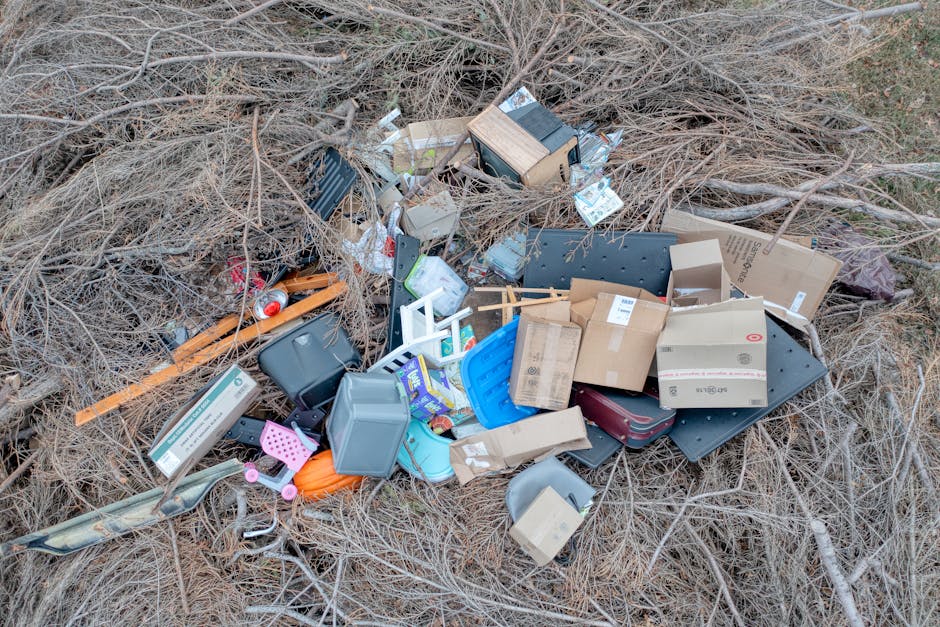
We handle a wide range of waste streams through rubbish collection, waste removal and related disposal options where they suit the job. That includes bagged rubbish, loose accumulated waste, bulky household items and mixed loads from domestic or commercial premises. If you are comparing what needs collecting with what should be separated or recycled, our approach is to keep the job clear, lawful and proportionate to the material involved.
Use the service when you want a clean handover and a reliable way to move unwanted items on. A short description of the load is usually enough to begin, and you can then decide whether the most appropriate route is collection, clearance or disposal. If you need to plan a broader removal, check the sections below or send through the basic details and we can help you work out the next step.
Household rubbish and mixed-load collection
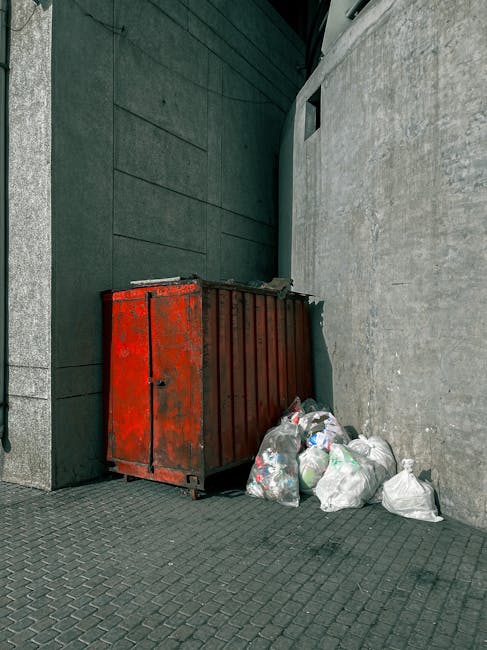
Household rubbish collection is often about convenience as much as capacity. A property may need several small bags removed after tidying, or one heavier assortment of items from a shed, loft, spare room or garage. We keep the emphasis on what is actually present rather than on unnecessary extras, so the service can be matched to the waste type. Where sorting is sensible, recyclable material can be separated from general rubbish, while items that need specific handling can be directed to the right process.
For items that are too bulky for ordinary bins, a more targeted collection may be better. Our bulky waste collection and large item collection pages cover the kinds of loads that need more room, more care or more than one person to move safely. Typical examples include broken furniture, old appliances and other oversized household pieces that are not easy to dispose of through day-to-day routines. The right choice depends on the size, weight and composition of the waste.
When you are preparing a request, it helps to know whether the load is mostly bagged, loosely stacked or made up of one or two large items. That basic detail makes it easier to direct the job to the correct collection type. Clear descriptions save time, and they also reduce the risk of sending the wrong team for the wrong waste. If you are unsure, an initial enquiry can still be brief: simply explain what needs removing and how much of it there is.
Clearances for homes, flats and smaller properties

Some jobs go beyond a straightforward rubbish pickup and need a fuller clearance of the space. That may involve a flat, a house, a single room or a property that has gradually filled with items over time. Our home clearance, flat clearance and house clearance services are suitable when there is a wider range of items to be removed in one visit. They are useful for decluttering, moving out, managing inherited contents or simply restoring order to a space that has become difficult to use.
For properties with more than one zone to clear, it can help to think in terms of rooms, categories and access. A loft may hold mixed storage; a garage may contain both waste and salvageable items; a hallway may need a clear route before anything else can be moved. In those situations, we can work through the load systematically rather than treating everything as a single pile. Where a property contains furniture, general rubbish and recyclable materials together, the clearance can be organised around the most practical separation points.
Some clearances require a more sensitive approach, especially where possessions are still mixed with waste or where the space needs to be left tidy enough for the next stage. If the job includes items that should not be handled casually, mention that at the outset. Careful planning matters more than speed when there is a mix of objects, awkward access or a need to remove contents room by room. A focused description of the property usually leads to a better-suited collection plan.
Furniture, appliances and other bulky items
Large household objects need different handling from bagged waste because they are awkward to carry, difficult to manoeuvre and often made from more than one material. We can collect furniture through furniture removal and collection, while separate pages cover specialist item types such as sofa removal and bed disposal. This is helpful when the load is mainly one category of bulky item and you want a clearer path to removal and disposal.
White goods and similar appliances can also require specific handling because their construction and disposal route may differ from ordinary furniture. Where relevant, services such as white goods recycle and fridge disposal provide a more suitable match for those items. A good description should mention whether the item is freestanding, integrated, heavy, broken or still in place, as that affects how it can be moved. If the item is in a tight space, that is worth saying too, because access can matter as much as the item itself.
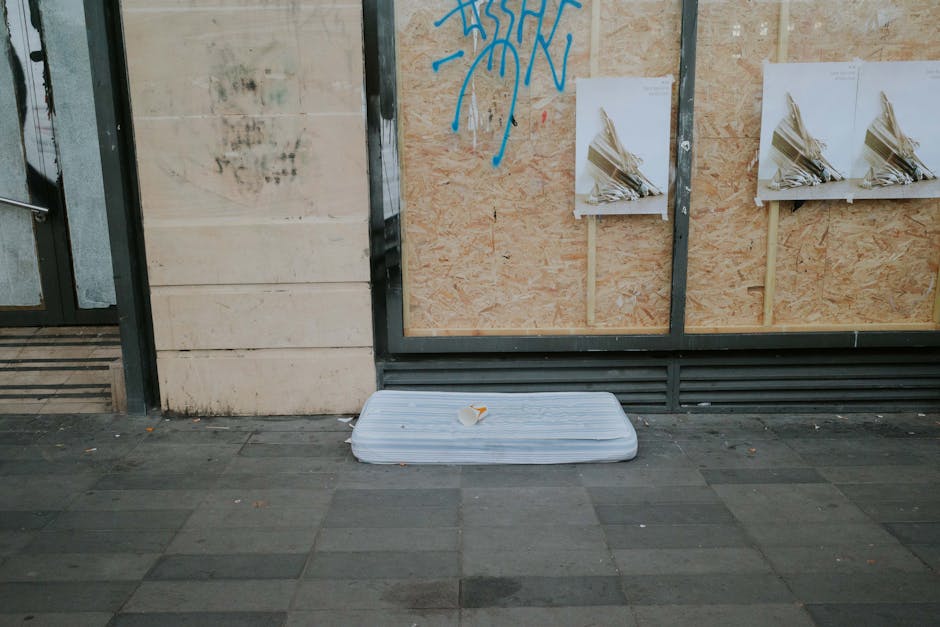
Bulky-item work is often best approached with a simple decision: is it a one-off object, a matched set, or a mixed group of large items? From there, the right service can be chosen more confidently. Accuracy matters when describing a mattress, sofa, bed frame or appliance, because the more precisely the waste is identified, the better the collection can be organised. That keeps the process practical and avoids unnecessary back-and-forth.
Commercial waste and workplace collections

We also support commercial customers who need waste removed from offices, shops, shared buildings or other working premises. Our commercial waste collection, commercial waste disposal and business waste removal pages reflect the different needs of workplace waste, where the material may include packaging, mixed refuse, unwanted furniture or cleared stock. The purpose is to keep premises usable and help avoid waste building up around day-to-day operations.
Office clearances are useful when desks, chairs, filing items, storage pieces or general contents need to be removed together. Our office clearance and office clearances pages are relevant where a workspace has to be emptied, reconfigured or handed back in stages. In that environment, the main practical questions are usually what needs to stay, what is being removed, and whether anything requires careful separation before collection begins. A tidy inventory is helpful, but a brief room-by-room outline is often enough.
Commercial waste is best handled with clear item grouping and simple access information. If there are restricted entry points, shared corridors, loading arrangements or time windows, those details should be included early so the collection can be organised efficiently. The same applies when the waste includes both general rubbish and reusable or recyclable pieces. A sensible approach is to identify the categories first, then decide which service path suits them best rather than forcing everything into one type of clearance.
Specialist clearances for heavier or more complex jobs
Some jobs need a broader clearance method because they involve repeated accumulation, difficult access or a property that contains far more than ordinary day-to-day waste. Our garage clearance, loft clearance and hoarder clearance services are designed for situations where the space itself shapes the work. A garage may contain old household items, garden equipment and broken goods; a loft may hold years of stored belongings; a heavily filled property may need a gradual and respectful approach.
In more complex cases, items are often mixed by age, type and usefulness. Some may be rubbish, some may be recyclable, and some may simply need careful sorting before they can be moved. That is why these jobs benefit from a service that can adapt to the contents rather than applying a rigid method. If a property is cluttered but still partly accessible, it may be possible to work in stages. If access is restricted, the service can be planned around that limitation from the start.
The best results usually come from explaining the general condition of the space and the kinds of contents involved. You do not need to produce a long list, but it is helpful to note whether the area contains loose waste, packed storage or larger objects. That lets the collection be matched to the job rather than to assumptions. Practical detail is far more useful than exaggerated description, especially when the aim is to restore the area to usable condition.
Recycling, disposal and responsible handling
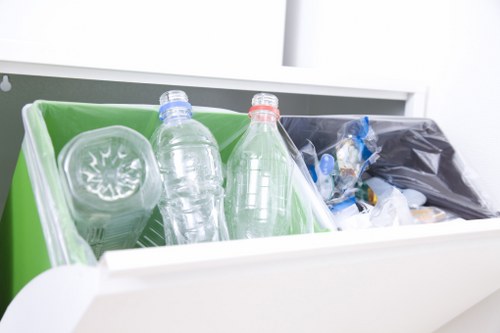
Many collection jobs include items that should not be treated the same way as ordinary rubbish. Our recycling and rubbish, waste recycling and recycling and sustainability pages cover the broader principle: separating what can be recovered from what must be disposed of, and making sure waste is directed to an appropriate route. This is especially relevant where a load contains mixed materials, reusable items, cardboard, plastics, metals or electrical pieces.
Disposal also varies by item. A sofa, mattress, fridge or other large article may need a different process from a sack of general rubbish, and some loads are made up of both at once. That is why the service is shaped around the actual contents rather than an assumed category. If part of a job is recyclable and part is residual waste, the sensible course is to identify both and choose the method that best fits the mix. This keeps the work straightforward while staying attentive to the waste stream itself.
Where a customer is comparing options, it helps to think in terms of outcome: removal, recycling, disposal or a fuller clearance. The most suitable choice depends on what is being taken away and how it is presented for collection. A short note about condition, material and quantity is usually enough to steer the job correctly. If you would like to discuss the right route, the next step can be simple: send the essentials and we can help decide how the work should be handled.
About London
London is the capital of the United Kingdom and one of the world’s most recognisable large cities, shaped by a long history of settlement, trade, government and migration. Its setting on the River Thames has influenced both its growth and its geography, with bridges, embankments and waterside districts playing a major role in how the city developed. Roman Londinium began as a river crossing and trading centre, and traces of later medieval, Georgian, Victorian and modern construction remain visible across the wider urban landscape. The City of London preserves a very old core with narrow streets and financial institutions, while the surrounding boroughs contain distinct neighbourhoods with their own local character. Landmarks such as the Tower of London, St Paul’s Cathedral, the Houses of Parliament and Buckingham Palace sit alongside markets, museums and civic buildings that reflect different periods of the city’s evolution. London is also notable for its parks and open spaces, including Hyde Park, Regent’s Park and Hampstead Heath, which offer important breathing room within the dense urban fabric. The South Bank, the West End, Covent Garden and the redeveloped docklands each show a different layer of culture, commerce and architecture. Railways, Underground lines and major roads connect the city’s many districts, but London also works as a collection of places with strong identities of their own. Its theatres, galleries, universities, churches, markets and street patterns continue to draw together the historic and the contemporary in a single, varied capital city.
Pricing factors, access and how to request a quote
When the work is arranged properly, the main factors are usually the type of waste, the amount involved and the practical access to the property. A collection containing a few bags is very different from a mixed load with heavy items, awkward furniture or a full clearance. Stairs, lifts, shared entrances and parking restrictions can also affect how the job is organised. The point of a good quotation is not to guess, but to match the service to the actual conditions.
If you are preparing an enquiry, it is often enough to say what the items are, where they are located and whether anything is especially bulky or difficult to move. Photographs can be useful when the load is mixed or hard to describe, but they are not the only way to begin. The most helpful information is usually the same every time: quantity, item type, access and any known limitations. With that in place, the quote can reflect the real job rather than a generic assumption.
To move forward, you can use the relevant service page or simply ask for a quotation in plain language. A quick message with the basics is enough to begin. If you want to compare collection options before deciding, pricing and quotes gives a useful place to start, and the final step is to request the quote when you are ready.
Property clearance options and next steps

Some customers need waste removed from a property that is changing hands, being emptied or prepared for a different use. In those cases, our property clearance, probate clearance and probate house clearance pages describe more focused clearance work for homes and contents that must be dealt with carefully. These services are relevant when the aim is not just to remove rubbish, but to leave the property in a cleaner, more workable condition.
For jobs that involve a mix of contents, waste and larger items, it can help to think about the destination of each category before the removal begins. Furniture may be separated from general rubbish; recyclable material may be taken out of the mixed load; anything needing special handling can be identified before collection. That kind of basic planning keeps the work efficient without making the process complicated. It also helps if the property includes several rooms or multiple storage spaces.
Whether you need a single-item pickup or a fuller clearance, the next step is straightforward: tell us what needs removing, where it is, and how much of it there is. From there, we can help you choose the most suitable service and arrange the collection around the waste itself. If you are ready, request a quotation and we will take it from there.