Complaints Procedure for Garbage London
Purpose and scope
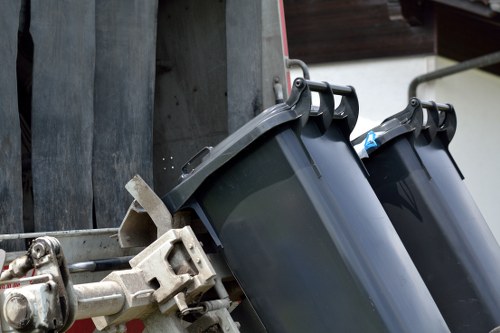 This document sets out the formal complaints procedure for Garbage London and associated waste removal services. It explains how concerns about refuse management, missed collections, safety incidents or service standards are recorded, investigated and resolved. The aim is to ensure clear, consistent processes for anyone affected by garbage collection in London and related operations. The procedure applies to service delivery, conduct of operatives and operational decisions; it does not cover procurement challenges or internal human resources matters, which are addressed through separate channels.
The policy is guided by the principles of accessibility, impartiality and proportionate response. Complaints are treated seriously and managed in a way that is transparent and fair to all parties. We will acknowledge receipt promptly, keep complainants informed of progress, and provide an explanation of findings. Where appropriate, remedial action or an apology may be offered and recorded as part of our commitment to continuous improvement of London waste services.
 To lodge a formal complaint you should provide sufficient detail to enable a timely and effective investigation: date and time of the issue, exact location or reference to the collection point, description of events and any supporting evidence such as photographs or descriptions of equipment. For matters involving health, safety or potential environmental harm, please make this clear so the issue can be escalated as a priority. The complaints team records each case and assigns it a unique identifier for tracking and monitoring.
How complaints are handled
Complaints are triaged on receipt and placed into one of three categories: routine, complex or urgent. Routine concerns about missed bins or scheduling are investigated and typically resolved within a short timeframe. Complex matters, for example those that require on-site inspection or cross-departmental review, may require a longer timeframe; in such cases the complainant will be informed of expected timescales. Urgent reports involving safety or significant environmental risk are prioritised and may prompt immediate operational action.
 Investigations follow a structured approach: gathering facts, interviewing relevant staff or witnesses, reviewing operational records and, where needed, examining photographic evidence. The investigator will consider whether service standards were met and whether any remedial steps are required. Findings are documented and a response drafted that sets out conclusions, the reasons for them and any corrective measures. Records are retained to support future service improvements and to identify patterns or repeat issues in waste collection London activity.
Where a complaint identifies a failure in process, training needs or equipment, a corrective action plan will be created. Actions may include operational adjustments, refresher training for crews, revised scheduling or changes to standard operating procedures. The emphasis is on resolving the immediate issue and preventing recurrence, with outcomes communicated to the complainant while respecting confidentiality and data protection obligations.
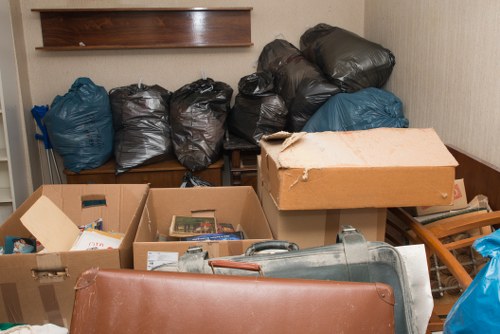 If a complainant is dissatisfied with the outcome, they may request a review. The review is conducted by an officer not involved in the original investigation to provide impartial oversight. Reviews look at whether the original process was followed correctly and whether conclusions were reasonable based on the available evidence. Additional information may be accepted at review stage where it is relevant and timely.
Appeals or reviews consider:
- whether the facts were accurately recorded,
- whether applicable policies were properly applied,
- and whether the proposed remedy is appropriate to the harm identified.
 All complaints are logged and analysed to identify trends, recurring issues or systemic weaknesses in refuse and waste services. Regular reports inform operational planning, performance improvement and training priorities. This continuous monitoring supports the delivery of reliable waste removal in London and contributes to higher standards across refuse management operations. The complaints procedure is reviewed periodically to ensure it remains effective and accessible, incorporating lessons learned and stakeholder input where appropriate.
Principles: fairness, transparency, proportionality and timeliness guide this complaints procedure for Garbage London. Complainants can expect respectful treatment, clear information about process and outcomes, and a commitment to learning from issues to enhance service quality.
Record keeping and confidentiality: all records relating to a complaint are handled in accordance with standard data handling practices. Information is disclosed only to those involved in the investigation and retained only as long as required for operational oversight and improvement.
The procedural commitments described here apply across the spectrum of London waste services and waste collection London activities provided by the operator. By setting clear standards for how complaints are received, assessed and resolved, this document supports accountability while enabling practical, proportionate responses to concerns raised about our refuse operations.