Efficient Trash Collection in Garbage London: Keeping the City Clean

London, one of the world's most vibrant and bustling cities, relies heavily on an efficient trash collection system to maintain its cleanliness and sustainability. Effective trash collection in Garbage London is not just about disposing of waste; it plays a crucial role in public health, environmental protection, and the overall quality of life for its residents.
The city has implemented a comprehensive waste management strategy that includes regular garbage collection, recycling programs, and waste reduction initiatives. This ensures that waste is handled responsibly, reducing landfill usage and promoting recycling and reuse of materials.
Residents and businesses alike benefit from these services, which are designed to be convenient, reliable, and environmentally friendly. Understanding how trash collection works in London helps individuals and organizations contribute positively to the city's cleanliness and sustainability efforts.
Introduction to Trash Collection Services in London
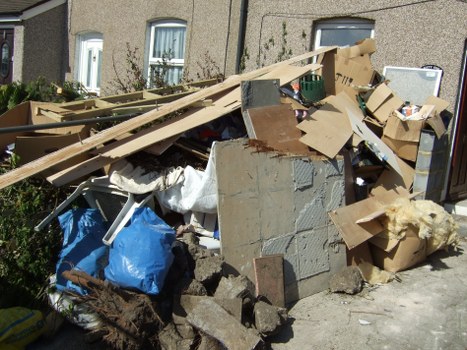
Trash collection in London is managed by a combination of local authorities and private waste management companies. These entities work together to ensure that all types of waste, including household garbage, commercial refuse, and recyclable materials, are collected efficiently and processed appropriately.
The city is divided into various boroughs, each responsible for organizing their own waste collection schedules and services. This decentralized approach allows for tailored waste management solutions that address the specific needs of different neighborhoods and communities within London.
Residents can expect regular collection services, usually on a weekly basis, with options for additional pickups if needed. The system is designed to minimize inconvenience while maximizing the effectiveness of waste disposal and recycling efforts.
The Importance of Effective Garbage Collection
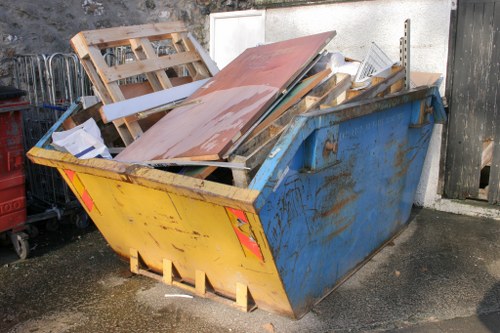
Effective garbage collection is vital for maintaining public health and hygiene. Accumulated waste can lead to the spread of diseases, attract pests, and create unpleasant living conditions. By ensuring timely and efficient trash collection, London minimizes these risks and promotes a healthier environment for its inhabitants.
Moreover, effective garbage collection contributes to environmental sustainability. Proper waste management reduces pollution, conserves natural resources through recycling, and lowers greenhouse gas emissions by minimizing landfill usage.
Additionally, a clean city enhances the overall aesthetic appeal, which is important for tourism and the local economy. Visitors are more likely to enjoy and return to a city that is clean and well-maintained, further underscoring the importance of robust garbage collection services.
Types of Trash Collection Services Available
Residential Trash Collection
Residential trash collection services cater to individual households, providing regular pickups of household waste. These services are designed to be user-friendly, with clear guidelines on waste segregation and disposal.
Commercial Garbage Collection
Commercial garbage collection targets businesses, offices, and commercial establishments. These services often require more frequent pickups and specialized handling to manage larger volumes of waste generated by commercial activities.
Recycling Services
Recycling services play a critical role in waste management by diverting recyclable materials from landfills. London offers various recycling programs that encourage residents and businesses to separate recyclable waste, such as paper, glass, plastics, and metals, for processing and reuse.

In addition to standard trash collection, London also provides specialized services for hazardous waste, electronic waste, and bulky items. These services ensure that potentially harmful or difficult-to-dispose-of materials are handled safely and responsibly.
The city continuously educates the public on best practices for waste disposal, emphasizing the importance of reducing, reusing, and recycling to minimize the environmental impact of trash.
Technological advancements, such as smart bins and route optimization software, are being integrated into London's trash collection system. These innovations enhance the efficiency and effectiveness of waste management operations, leading to faster and more reliable garbage collection services.
How Trash Collection Works in London

The trash collection process in London begins with waste generation, where residents and businesses produce various types of waste. This waste is then segregated into different categories, such as recyclables, non-recyclables, and hazardous materials, according to local guidelines.
Once segregated, the waste is collected by designated trucks following scheduled routes. These routes are optimized to cover as many areas as efficiently as possible, minimizing traffic congestion and reducing the environmental footprint of the collection process.
After collection, the waste is transported to appropriate facilities for processing. Recyclable materials are sorted and sent to recycling plants, while non-recyclable waste is directed to sanitary landfills or incineration plants, depending on the city's waste management policies.
The Role of Technology in Enhancing Trash Collection
Technology plays a pivotal role in modernizing trash collection in London. Smart waste management systems utilize sensors and data analytics to monitor waste levels in real-time, allowing for more efficient route planning and timely pickups.
Integration of GPS technology in garbage trucks ensures accurate tracking and route optimization, reducing fuel consumption and emissions. Additionally, data collected from these systems provides valuable insights into waste generation patterns, helping authorities make informed decisions about resource allocation and infrastructure development.
Mobile applications have also been developed to inform residents about their waste collection schedules, provide reminders, and offer tips on waste reduction. These digital tools enhance user engagement and compliance with waste management practices.
Benefits of Professional Trash Collection Services
Professional trash collection services offer numerous benefits to both individuals and the community. These services ensure that waste is collected regularly and efficiently, reducing the risk of overflow and unsanitary conditions.
By outsourcing waste management to specialized companies, residents and businesses can focus on their daily activities without worrying about the logistics of trash disposal. Professional services also implement best practices in waste handling, ensuring compliance with environmental regulations and standards.
Furthermore, professional trash collection contributes to resource conservation by promoting recycling and responsible waste disposal. This not only helps in reducing the environmental impact but also supports the circular economy by reusing materials and minimizing waste.
Environmental Impact of Garbage Collection in London
Efficient garbage collection systems are essential for minimizing the environmental impact of waste. By ensuring that waste is properly sorted and recycled, London reduces the amount of material sent to landfills, thereby decreasing methane emissions and conserving natural resources.
Moreover, responsible waste management practices help in reducing pollution, both airborne and waterborne, by preventing the escape of harmful substances from improperly disposed waste. This contributes to cleaner air and water bodies, enhancing the overall environmental health of the city.
London's commitment to sustainable waste management is evident in its continuous efforts to improve garbage collection systems, invest in recycling infrastructure, and encourage community participation in environmental initiatives.
Challenges in Trash Collection in London
Despite its successes, London's trash collection system faces several challenges. The increasing population and urbanization lead to a higher volume of waste, placing additional pressure on existing waste management infrastructure.
Additionally, the diversity of waste types, including electronic waste and hazardous materials, requires specialized handling and processing, which can be complex and costly.
Public compliance with waste segregation guidelines is another challenge. Ensuring that all residents and businesses adhere to proper disposal practices is crucial for the effectiveness of recycling programs and overall waste management success.
Future of Trash Collection in London
The future of trash collection in London looks promising, with ongoing advancements in technology and a strong emphasis on sustainability. The city aims to further reduce landfill dependency by expanding recycling programs and investing in waste-to-energy technologies.
Innovations such as autonomous garbage trucks and enhanced data analytics are expected to streamline waste collection processes, making them more efficient and environmentally friendly.
London also plans to engage more with the community through educational campaigns and incentives to encourage waste reduction, recycling, and responsible disposal practices among residents and businesses.
Conclusion
Trash collection in Garbage London is a critical component of the city's infrastructure, ensuring cleanliness, public health, and environmental sustainability. Through a combination of efficient services, technological advancements, and community engagement, London continues to enhance its waste management systems, setting an example for other major cities worldwide.
If you're a resident or business in London seeking reliable trash collection services, contact us today to learn more about how we can help keep your environment clean and sustainable.