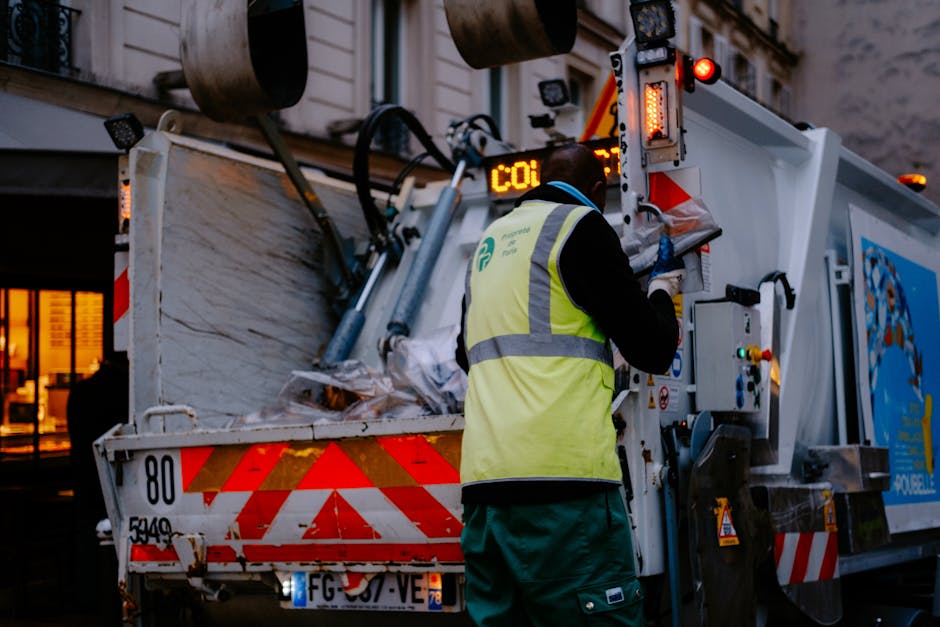
Rubbish removal services for Fulham Road residents SW6

If you live on or near Fulham Road, you already know how quickly rubbish can become a nuisance. One week it is a broken wardrobe, the next it is old boxes, a mattress, and a pile of odds and ends that somehow appeared after a flat clear-out. Rubbish removal services for Fulham Road residents SW6 are designed to take that pressure off you, quickly and without drama. The best service does more than collect waste. It helps you clear space safely, keep access routes tidy, and avoid the awkward mess of trying to shift bulky items yourself on a busy London street.
This guide explains how the service works, when it makes sense, what to watch out for, and how to choose the most practical option for your home, flat, or rental property. If you are weighing up a one-off collection against council collection or thinking, "Can this just be gone by tomorrow?" - you are in the right place.
Why rubbish removal services for Fulham Road residents SW6 matters
Fulham Road is a proper London thoroughfare: busy, residential in parts, commercial in others, with flats, terraces, conversions, and mixed-use buildings all packed close together. That kind of setting creates a very specific rubbish problem. Space is limited, parking is rarely simple, and bulky waste left outside for too long can become an eyesore or create access issues for neighbours, pedestrians, and deliveries. Nobody wants a sofa balanced by the kerb overnight. It just looks messy, and truth be told, it can feel a bit stressful every time you glance out the window.
For residents in SW6, rubbish removal is not just about "getting rid of stuff". It is about managing household change in a place where speed, discretion, and timing matter. Maybe you are moving out, maybe your tenant has left behind a surprise pile, or maybe you have finally cleared the spare room that became a storage zone around three years ago. A good rubbish removal service helps you deal with it in one go, which is often far easier than trying to break the job into smaller pieces yourself.
There is also a practical local angle. On a road like Fulham Road, waste left in communal areas or front gardens can create friction with neighbours and landlords, and it may attract pests if it sits too long. The right service reduces that risk. It also helps if your building has awkward access, narrow hallways, basement stairs, or a shared entrance where carrying large items is more about planning than strength.
Expert summary: For Fulham Road residents, the real value of rubbish removal is not only disposal. It is speed, access management, and peace of mind in a busy SW6 environment where space is at a premium.
If you are comparing collection options across the area, it can help to look at broader local coverage too, such as Fulham rubbish collection services and nearby West Kensington rubbish collection pages, because household needs often overlap across the same stretch of London.
How rubbish removal services for Fulham Road residents SW6 works
Most rubbish removal services follow a similar basic process, even if the details vary a little. You normally start by describing what needs to go. That might be a single bulky item, a full flat clearance, or a mixture of furniture, general household waste, and some recyclable material. The clearer you are, the easier it is to get a realistic quote and the right vehicle size.
Then comes collection. In many cases, the team arrives at a booked time, loads the waste from your property or agreed collection point, and takes it away for sorting. If the load contains items that can be reused or recycled, those are usually separated where possible. That part matters more than many people realise. Good rubbish removal is not just one van driving off into the sunset; it is a process of sorting, handling, and disposal.
For Fulham Road homes, the practical bit is often access. Do you have a lift? Is there resident permit parking nearby? Can a van stop safely for long enough? Are the items in a top-floor flat? These questions shape the service more than people expect. A well-run company will ask them early, because they directly affect time, labour, and the number of staff needed. To be fair, that is usually a sign they know what they are doing.
Some jobs are simple and quick. Others need a little more planning. For example, a one-bed flat clearance after a tenancy ends might require multiple bags, a dismantled bed frame, and a mattress. A loft clear-out, on the other hand, could involve dusty boxes, old suitcases, and a few mysterious items that nobody has looked at for years. You may even find yourself saying, "I forgot that existed." Happens all the time.
If your waste is being collected alongside larger items, you may find it useful to compare related services such as rubbish removal, bulky waste collection, and large item collection. Each is useful in a slightly different scenario.
Key benefits and practical advantages
The biggest benefit is obvious: you get your space back. But there are several more practical advantages that matter just as much, especially in SW6.
- Convenience: You do not need to hire a van, lift heavy items yourself, or spend your weekend making multiple trips.
- Time saving: A single collection can replace hours, sometimes a full day, of sorting and transport.
- Safer handling: Heavy furniture, broken wood, sharp edges, and awkward stairwells are easier to manage with the right equipment and team size.
- Better for busy streets: On Fulham Road, minimising waiting time and disruption matters. A quick pickup is much easier on everyone nearby.
- More suitable for mixed waste: When your rubbish includes furniture, mattress, white goods, and bagged waste, a tailored collection is often cleaner and simpler than trying to separate everything into different trips.
- Flexible for urgent situations: End-of-tenancy deadlines, pre-sale clear-outs, and last-minute landlord requests rarely wait politely.
There is also an emotional advantage, which people sometimes overlook. Clearing unwanted waste reduces that background mental noise. You know the one. The stack in the hallway you keep stepping around. The broken chair in the spare room. The old wardrobe door that has been leaning there since spring. Once it is gone, the flat often feels calmer immediately.
For residents who care about responsible disposal, another real benefit is that a good provider will usually prioritise reuse and recycling where practical. If you are already thinking about the environmental side, you may want to explore recycling and sustainability and waste recycling as part of a more considered disposal approach.
Who this is for and when it makes sense
Rubbish removal services for Fulham Road residents SW6 are useful for a surprisingly wide range of people. In practice, the people who benefit most are those with limited time, limited space, or items that are awkward to move safely.
Typical situations where it makes sense
- Tenants moving out: You need the flat cleared quickly and properly before handover.
- Landlords and letting agents: Left-behind furniture, bags of rubbish, and damaged items need to be removed between occupancies.
- Homeowners doing a clear-out: If your loft, garage, or spare room has become a holding zone, this can save a lot of effort.
- Families replacing furniture: Old sofas, wardrobes, or beds often need more than a standard bin day.
- People handling probate or house clearance: These jobs can be sensitive and time-consuming, and a structured service helps a lot.
- Busy professionals: If you are working full-time and the rubbish has been waiting around for weeks, a fast collection is usually the sane choice.
It also makes sense when the waste is not suitable for the council collection route, or when the timeline is tighter than the available pickup slots. For example, if you are preparing a property for new photos on Friday and the old dining table is still in the room on Wednesday evening, waiting is not exactly ideal.
Residents in flats often need a bit of extra help because carrying bulky items down stairs or through communal entrances is not exactly a solo sport. If your property has a more complex layout, services like flat clearance, home clearance, and house clearances can be more suitable than trying to book a generic collection.
Step-by-step guidance
If you want the job to go smoothly, a bit of preparation goes a long way. You do not need to overthink it, but a few simple steps can make the collection faster and cheaper.
- Sort the waste by type. Separate general rubbish, furniture, mattresses, electricals, and anything potentially reusable.
- Make a rough list. Even a quick note like "2 chairs, 1 sofa, 5 bin bags, 1 wardrobe" helps a lot.
- Check access. Think about parking, lift access, stairs, loading distance, and any building restrictions.
- Take photos if needed. A couple of clear pictures can help the provider estimate the job properly.
- Remove anything you want to keep. Sounds obvious, but you would be surprised how often a useful item is accidentally placed in the wrong pile.
- Confirm timing. If you live on a busy road, a narrow time window can be the difference between an easy collection and a slightly awkward one.
- Ask what happens after pickup. Good services should be able to explain how the waste is handled in general terms.
One small but useful tip: if you have mixed items, put the most awkward or heaviest pieces near the front of the room or near the exit before the team arrives. That tiny bit of prep can save a surprising amount of time. Not glamorous, but effective.
If you are comparing waste types, look at specialist pages for items that often need separate handling, such as mattress removal and collection, sofa removal and collection, and fridge disposal.
Expert tips for better results
Here is the sort of advice that tends to make a real difference on the day.
1. Be precise about volume
"A bit of rubbish" can mean anything from three bags to a half-loaded van. The more specific you are, the better. Try to think in terms of items, bag counts, and room size. For example, a single sofa and two armchairs is very different from a full lounge clear-out. Obvious enough, but easily forgotten.
2. Mention access problems early
If the building has stairs, no lift, controlled parking, or a concierge, say so up front. It is much better to plan for those realities than to discover them with a full van outside and the clock ticking.
3. Separate reusable items where possible
If something is still usable, keep it apart from general rubbish. That can make the disposal process more efficient and may improve how much can be reused or recycled. It is a small thing, yet it often helps.
4. Clear a route before collection
A hallway full of shoes, prams, and laundry baskets turns a quick job into a clumsy one. Just give the team a clear path to work with. You will notice the difference immediately.
5. Ask for clarity on pricing before the visit
Most frustration comes from assumptions. A provider should be able to explain how the quote is built, whether by load size, labour, item type, or access difficulty. If anything sounds vague, ask again. There is no need to be shy about it.
In our experience, the smoothest collections are the ones where the customer has taken ten minutes to prepare and ask practical questions. Nothing fancy. Just enough detail to avoid surprises.
Common mistakes to avoid
People usually do not get rubbish removal wrong in dramatic ways. It is more often the little errors that cause delays or higher costs.
- Leaving the quote too vague: If the provider cannot judge the volume, you may end up with a mismatch between expectation and reality.
- Forgetting access details: A stair-only building or difficult parking arrangement can change the job quite a bit.
- Mixing hazardous items with normal waste: Some items need special handling and should never just be thrown into a general collection.
- Waiting until the last minute: If you are on a deadline, delaying the booking is asking for stress.
- Assuming all rubbish is the same: Furniture, electricals, construction waste, and general rubbish may be handled differently.
- Not checking what stays behind: Always do a final walk-through. People often forget drawers, cupboard corners, or items tucked behind doors.
A common one in flats: the resident removes the visible clutter, but the awkward bits are left in the hallway, under the bed, or in a storage cupboard. Then the job is only half done. It happens, honestly.
For heavier or awkward items, it is better to look at more specific services such as furniture removal and collection, bed disposal, or white goods recycle rather than treating everything as generic waste.
Tools, resources and recommendations
You do not need specialist equipment to prepare for rubbish removal, but a few simple tools help the day run more smoothly.
- Heavy-duty bin bags: Useful for smaller loose waste and soft items.
- Marker pen or labels: Handy if some items are to be kept, donated, or recycled separately.
- Basic gloves: Good for sorting dusty loft contents or sharp-edged bits.
- Tape measure: Useful if you are checking whether a piece of furniture can fit through a door or down stairs.
- Phone camera: Photos help with quotes and reduce misunderstandings.
- Access notes: Keep parking details, buzzer numbers, and any building instructions close to hand.
On the resource side, a sensible starting point is to review the provider's service pages so you understand what kind of waste is handled. For example, waste clearance, rubbish clearance, and waste disposal give a broader view of how items may be processed.
If the job is part of a bigger property project, related services like builders waste clearance or home clearance may also be useful. And if you are comparing one-off collections with more regular arrangements, waste collection and recycling and rubbish are sensible pages to review.
Law, compliance, standards, or best practice
Waste removal in the UK comes with responsibilities, even when the job looks straightforward. You do not need to become a waste expert, but it does help to understand the basic best practices.
First, a legitimate waste carrier should be able to deal with rubbish responsibly and explain the service in plain English. If a quote sounds suspiciously cheap and the operator is vague about where the waste goes, that is not a great sign. Let's face it, nobody wants their old wardrobe ending up in a hedge somewhere.
Second, some items need extra care. Electrical waste, fridges, mattresses, and certain bulky goods often require specific handling routes. In everyday terms, that means they should not simply be dumped with general household rubbish. A reputable service should know this and act accordingly.
Third, safety matters. Heavy lifting, sharp edges, broken glass, and awkward stairwells can create real risks. Good practice includes appropriate manpower, sensible loading, and care for communal areas. If a building has fragile finishes, tight corners, or expensive flooring, it is worth pointing that out before the collection begins.
For customers, the best practice is simple: describe the waste honestly, do a final check before collection, and choose a provider that is transparent about pricing, access, and disposal method. If a company has clear policy pages such as health and safety policy, insurance and safety, and pricing and quotes, that is usually a reassuring sign that they take the basics seriously.
Options, methods, or comparison table
Choosing the right route depends on what you are clearing, how quickly it needs to go, and how much handling is involved. Here is a practical comparison.
| Option | Best for | Pros | Limitations |
|---|---|---|---|
| One-off rubbish removal | Mixed household waste, bulky items, small clear-outs | Fast, flexible, often easiest for residents with little time | May cost more than standard bin disposal for very small loads |
| Council collection route | Specific bulky items or planned disposal | Useful for some items and can suit non-urgent jobs | Often less flexible on timing and item handling |
| Full property clearance | Flats, houses, probate, voids, end-of-tenancy jobs | Better for larger or more complicated clear-outs | Needs more planning and usually more labour |
| Specialist item removal | Mattresses, sofas, white goods, beds | Good for awkward or heavy items | Only suitable for certain waste types |
As a rule of thumb, if you have a few items and a clean access route, the process is straightforward. If you have a whole flat to clear, a specialist clearance service is usually better. And if you are somewhere in between, a mixed-load collection can be the sensible middle ground.
It is also worth thinking about the building itself. A top-floor flat with no lift is a different job from a ground-floor flat with driveway access. Same road, different reality. That is just London for you.
Case study or real-world example
Here is a typical Fulham Road scenario, based on the sort of job many residents face.
A couple in a SW6 flat had just finished renovating their living room. They had an old sofa, a damaged coffee table, several boxes of packaging, and a mattress stored in the spare room. The hallway was narrow, the lift was small, and parking was tight outside the building. They originally thought they would manage the waste themselves over two or three trips. Then they looked at the stairwell, looked at the sofa, and, quite sensibly, changed their minds.
Before collection, they sent clear photos, listed the items, and flagged the lift size and parking restrictions. On the day, the team arrived with the right vehicle and enough manpower to move the sofa without blocking the communal entrance for long. The mattress, furniture, and packaging were cleared in one visit. The flat looked instantly bigger, lighter, and less chaotic. You could almost feel the room breathe again.
The useful lesson here is not that every job needs a dramatic plan. It is that small bits of preparation make a big difference. Clear photos. Honest access details. A realistic view of the load. That is usually enough to turn a stressful task into a tidy one.
Practical checklist
Use this quick checklist before booking rubbish removal services for Fulham Road residents SW6.
- List the items you want removed.
- Separate reusable, recyclable, and general waste where possible.
- Measure larger items if you are unsure about access.
- Check lift, stair, and parking arrangements.
- Take photos of the load and any awkward access points.
- Remove anything you want to keep from drawers, cupboards, and hidden corners.
- Confirm the collection time and any arrival instructions.
- Ask how the waste will be handled after pickup.
- Make sure hazardous or specialist items are identified early.
- Do one final sweep before the team leaves.
If you have a lot to clear, a related service like house clearance or property clearance may be more suitable than a smaller general collection.
Quick takeaway: the smoother the access, the clearer the list, and the earlier you book, the better the result. Simple, yes. But that is often how the best waste removals work in real life.
Get a free quote today and see how much you can save.
Conclusion
Rubbish removal services for Fulham Road residents SW6 are at their best when they solve a real, local problem: too much waste, too little time, and not enough space to deal with it safely. Whether you are clearing one bulky item or a whole flat, the right service can save effort, reduce stress, and keep your home feeling manageable. In a busy part of London, that is worth a lot.
The key is to match the service to the job. Be clear about what needs removing, be honest about access, and choose a provider that handles waste responsibly. Do that, and the process becomes far less of a headache than many people fear. And once the clutter is gone, you get something simple and satisfying back: room to move, breathe, and get on with your day.
Sometimes that is all you need. A bit of space, and a fresh start.
Frequently Asked Questions
What do rubbish removal services for Fulham Road residents SW6 usually collect?
They usually collect general household rubbish, bulky items, furniture, mattresses, white goods, and mixed clear-out waste. Some providers also handle larger jobs like flat clearances or end-of-tenancy clear-outs. It is always best to describe the items clearly before booking.
Is rubbish removal better than using council collection?
It depends on the job. Council collection can work well for some planned, lower-urgency items, but private rubbish removal is usually faster and more flexible. If you need collection on a tight timeline or have several bulky items, a dedicated service is often easier.
How do I know if my items are too big for a standard collection?
If you have sofas, wardrobes, beds, mattresses, or several large bags, the job may be better suited to bulky waste or specialist item removal. A photo usually helps a lot. If in doubt, list the dimensions and ask for guidance before booking.
Do I need to move the rubbish outside before collection?
Not always. Many services will collect from inside the property if access is clear. That said, you should always confirm this in advance, especially if you live in a flat or shared building where access takes a bit more planning.
How much notice do I need for a rubbish collection?
It varies, but the earlier you book, the better your options will be. For urgent clearances, it is worth asking whether same-day or next-day collection is available. If you are working to a move-out or handover deadline, do not leave it to the last minute.
Can rubbish removal services take electrical items?
Often yes, but electricals are usually handled separately from general waste. Items like fridges, freezers, and other white goods may need specialist disposal. Always mention them in advance so the provider can advise you properly.
What should I do with furniture that is still in good condition?
If furniture is usable, keep it separate from broken or unsalvageable waste. Some providers may be able to route reusable items differently. Even if that is not part of the service, separating them helps the collection run more efficiently.
Are rubbish removal services suitable for landlords and letting agents?
Yes. They are often very useful for tenant changeovers, left-behind furniture, and last-minute clearances before new occupants move in. A quick, reliable collection can prevent delays and help get a property ready faster.
What if my building has tight stairs or no lift?
Say so when you enquire. Stair-only access can affect the labour needed and the time required, so it is better to plan for it early. A good provider will factor that into the quote and the collection plan.
How can I prepare to make the collection cheaper or smoother?
Sort items before the visit, give accurate access details, and take photos if needed. The clearer the job, the easier it is to price and complete efficiently. A little preparation really does help.
Is it safe to leave rubbish outside on Fulham Road until collection?
Only if it is arranged properly and does not breach building rules or create a hazard. Left outside too long, rubbish can become messy, attract complaints, or block access. It is usually better to arrange collection as close to the pickup time as possible.
What if I only have one bulky item like a sofa or mattress?
That is exactly the sort of job many residents book for. A single-item collection can be the simplest option if the item is awkward, heavy, or difficult to move safely. Sofa and mattress removal services are often designed for this kind of scenario.